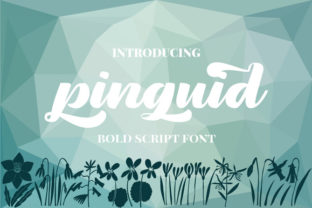
Pinguid Font: Bold Handwritten Charm for Makers
Sitting at my workbench late last Tuesday, surrounded by half-cut vinyl sheets and a fresh batch of soy candles waiting for their final look, I realized something was missing. The product itself was perfect—smooth wax, centered wick, clean glass—but the label felt flat. I had been using a standard minimalist sans serif for months, and while it was legible, it lacked the warmth and personality that my handmade brand is built on. That was the moment I decided to test Pinguid. As I typed out "Lavender & Sage" and watched the bold, whimsical letters appear on my screen, the design instantly transformed from generic packaging into something that felt authentically crafted. It wasn't just text anymore; it was a handshake with the customer before they even lit the wick.
Capturing Whimsy in Physical Products
For fellow crafters and small business owners, we know that typography is often the difference between a hobby project and a premium product. Pinguid is a fun and bold handwritten font that carries a distinct visual weight without feeling heavy or clunky. When designing physical items like candle labels, boutique tags, or ceramic mugs, this typeface offers a tactile quality that mimics the imperfections of real hand-lettering. In my own testing, I found that its slightly irregular baseline and playful curves added an immediate sense of approachability to my shop materials.
This specific script amp category font shines brightest when used as a display element rather than body text. On a 3x4 inch candle label, I used Pinguid exclusively for the scent name and a short tagline, keeping the safety warnings and ingredients in a clean, high-contrast sans serif. This hierarchy is crucial. The bold strokes of Pinguid grab attention on a crowded market table or a digital listing thumbnail, while the supporting text ensures compliance and readability remain uncompromised. For makers selling at craft fairs, this visual pop can stop passersby in their tracks, turning a glance into a conversation.
Elevating Stationery and Paper Goods
Beyond packaging, Pinguid has become a staple in my stationery workflow, particularly for greeting cards and wedding invitations. There is a delicate balance required in invitation design; you want elegance, but modern couples often crave personality over stiff formality. When mocking up a welcome sign for a rustic-chic wedding, the boldness of this creative font allowed the couple’s names to stand out against textured linen backgrounds and greenery accents. Unlike thinner scripts that can get lost in busy photography or textured paper, Pinguid holds its ground.
For printable creators designing planner pages or wall art, this typeface adds a layer of perceived value. Digital downloads live or die by their mockups. When I created a set of affirmations for a printable gallery wall, using Pinguid for the key emotional words ("Breathe," "Create," "Bloom") made the digital preview feel tangible. Customers aren't just buying a PDF; they are buying the feeling those words evoke. The font’s inherent charm bridges the gap between pixel and print, making the digital asset feel like a piece of original art.
Practical Considerations for Cutting Machines and Print
As someone who regularly uses both Cricut and Silhouette machines, I have to address the technical side of using bold handwritten fonts. Not every decorative typeface cuts cleanly on adhesive vinyl or heat transfer vinyl (HTV), but Pinguid’s stroke width is generally forgiving. However, practical application requires some adjustments. When cutting stickers or shirt designs, I always recommend welding the letters if your software allows it, or ensuring adequate spacing to prevent delicate connections from tearing during weeding.
Readability at small sizes is another critical factor for product makers. While Pinguid is stunning at large scales for tote bags or signs, it can become difficult to decipher below 18 points depending on the material. On a glossy product label, ink spread can fill in the tighter curves of handwritten styles. My rule of thumb has been to reserve this font for titles, names, and short phrases under five words. For longer descriptions or pricing, pairing it with a simple geometric sans serif or a classic serif font creates a professional editorial look that maintains brand consistency while ensuring customers can actually read the details.
- Vinyl Application: Test cut on scrap material first; increase blade pressure slightly for bold strokes to ensure clean edges.
- Inkjet Printing: Allow extra drying time on coated label papers to prevent smudging in the thicker letterforms.
- Embroidery Digitizing: The bold nature makes it suitable for satin stitch, but avoid scaling down too small to prevent thread bunching.
- Laser Engraving: Excellent contrast on wood and leather; the varying stroke width translates beautifully to burn depth.
Building Brand Identity Through Typography
Choosing a font like Pinguid is ultimately a branding decision. In the saturated market of handmade goods and Etsy shops, visual identity helps customers recognize your work instantly. When I updated my shop banner and social media templates to feature this typeface, the cohesion across platforms became apparent. It signaled a shift toward a more joyful, confident aesthetic. Typography communicates mood faster than color or imagery, and this font whispers "handmade with love" while shouting "professional quality."
However, versatility within a brand is key. I don't use Pinguid for everything. It serves as the accent, the highlight, the signature. For my shipping thank-you cards, the customer's name is rendered in this bold script to make them feel special, while the return policy remains in a neutral, legible typeface. This strategic use prevents visual fatigue and keeps the whimsical charm impactful. Overusing a display font can dilute its power, but placing it intentionally creates focal points that guide the customer’s eye exactly where you want it to go.
Licensing and Commercial Use for Sellers
Before incorporating any new design asset into products intended for sale, verifying licensing is non-negotiable. Pinguid typically comes with specific terms regarding commercial use, especially for physical merchandise versus digital templates. As a seller, I always check whether the license covers end-products like mugs and shirts, or if an extended license is needed for print-on-demand services. Understanding these distinctions protects your business and respects the type designer’s work.
Additionally, explore the included files thoroughly. Many premium fonts in the Script Amp category include alternates, ligatures, and swashes that can customize the look further. Using a stylistic alternate for a repeated letter in a word like "Little" or "Summer" can enhance the natural, non-repetitive flow of handwriting. Checking for multilingual support is also wise if you serve international customers or create bilingual packaging. These small details elevate a design from "typed text" to "custom lettering," reinforcing the artisanal value of your handmade creations.
Ultimately, integrating Pinguid into my creative process has been about more than just aesthetics; it has been about finding a voice that matches the effort put into every handmade item. Whether you are pressing vinyl onto a nursery onesie, designing a seasonal greeting card, or refreshing your shop’s visual identity, this font offers a blend of boldness and warmth that resonates with buyers looking for something genuine. It turns standard production tasks into moments of artistic expression, reminding us why we started making things in the first place.